Headlines

Bodybuilding

Health

Nutritions

My 12-Week Program To Transform Your Body takes dedication, drive, and consistency. If you haven't taken the challenge, it's time to leave the locker room and step into the gym. Commit to my program and I'll help you radically transform your life in only 12 weeks.  and I'll help you every step (and rep) of the way.

Don't take my word for it. Take the words of those who've done it. See the Before and After pics of people I've helped transform. Check out the best; get inspired to be the best. When you're ready to
begin, I'll be here. You're next


   :DANIEL CLAASSEN


      BEFOR                                                 AFTER      

The physical gains are amazing, however I rate the mental gains from Kris Gethin's program the most valuable part of this journey for me.

At day 84: Everything is easier in my life. I don't have work stress anymore. I've taken the courage to start my own business, I don't have fluctuating energy levels anymore. I don't feel down and depressed anymore. I have no problem with motivation. I have no problem saying no.

My next goal is to put on lean mass and go from 74kg to 83kg, starting on Monday.
Thank you for this incredible journey, I have already inspired many of my friends to do the same and I will give them all my support just like you did with me over the 12 weeks.
Pain definitely is weakness leaving the body.


KRISTEN MEGHAN STERNBERG-EDWARDS:


BEFORE                                                               AFTER                                  

                           
I just completed the 12-week transformation contest and  I have never worked this hard, I get to the point of wanting to puke! Haha! I definitely know what muscle failure training means now! I love this program!

Kaged Muscle: "Wow! Is this the same person?! Great work and congrats on your inspiring transformation!"

:RICK NAVARRO


BEFORE                                                                        AFTER 

OK, so first, I'd like to say thank you for this program. I have reached my original goals which was to reduce my waist size of 35 1/2 inches. My goal was to bring my waist size down to a 33 because I heard Dr. Oz say your waist should be at least 1/2 your height. Through this program I was able to exceed my expectations and achieved a 31 1/2-inch waist size.

I also wanted some slight curves on my muscle. I knew NOTHING about weightlifting. So, I'm not one of those guys getting "back in" to lifting. Going through the program I learned a ton, like that a 6-pack is made in the kitchen not the gym. I learned names and lists of lifting techniques and names of body parts I should have known by now. I'm sure my muscle growth was only limited to two things: me not understanding my abilities and not having a spotter so I can push harder without injuring myself.

I'd like to start over again from Week 1 with the wealth of knowledge I gained going through the first run. I like the "Blood and Guts" program you did with Dorian Yates and I'd like to give that a go too. But here are a few shots of what I was able to achieve after going through the first go-round. Not sure how much farther my genetics will allow me to go.

Choosing the right way to eat to build muscle can be a little
overwhelming. But once you start eating the way you need to, it will
become second nature to you. Following is a list of good foods for you
to eat in each of the categories you need to concentrate on:


    Presentation to SAMPLE MEALS


Proteins
    Presentation to SAMPLE MEALS

White meat chicken or turkey
Canned tuna
Canned salmon
Fresh Fish
Shellfish
Eggs
Tofu
Soy
Red meat like steak or roast

Complex Carbohydrates
    Presentation to SAMPLE MEALS

Oatmeal
Potatoes
Yams, Sweet potatoes, Acorn squash
Rice
Legumes
Corn

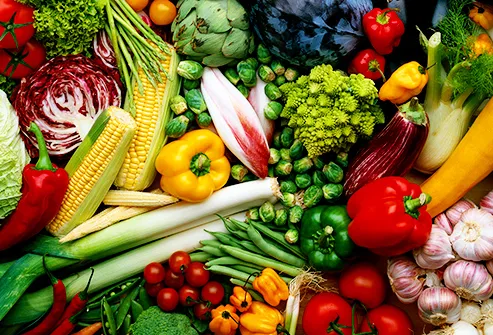
Vegetables
    Presentation to SAMPLE MEALS
All water based types.
Lettuce, Cabbage, Spinach
Asparagus
Bok Choy, Leeks
Tomatoes
Celery
Onions
Green Beans
Broccoli, Cauliflower, Radish
Zucchini Squash
Mushrooms
Carrots
Peas

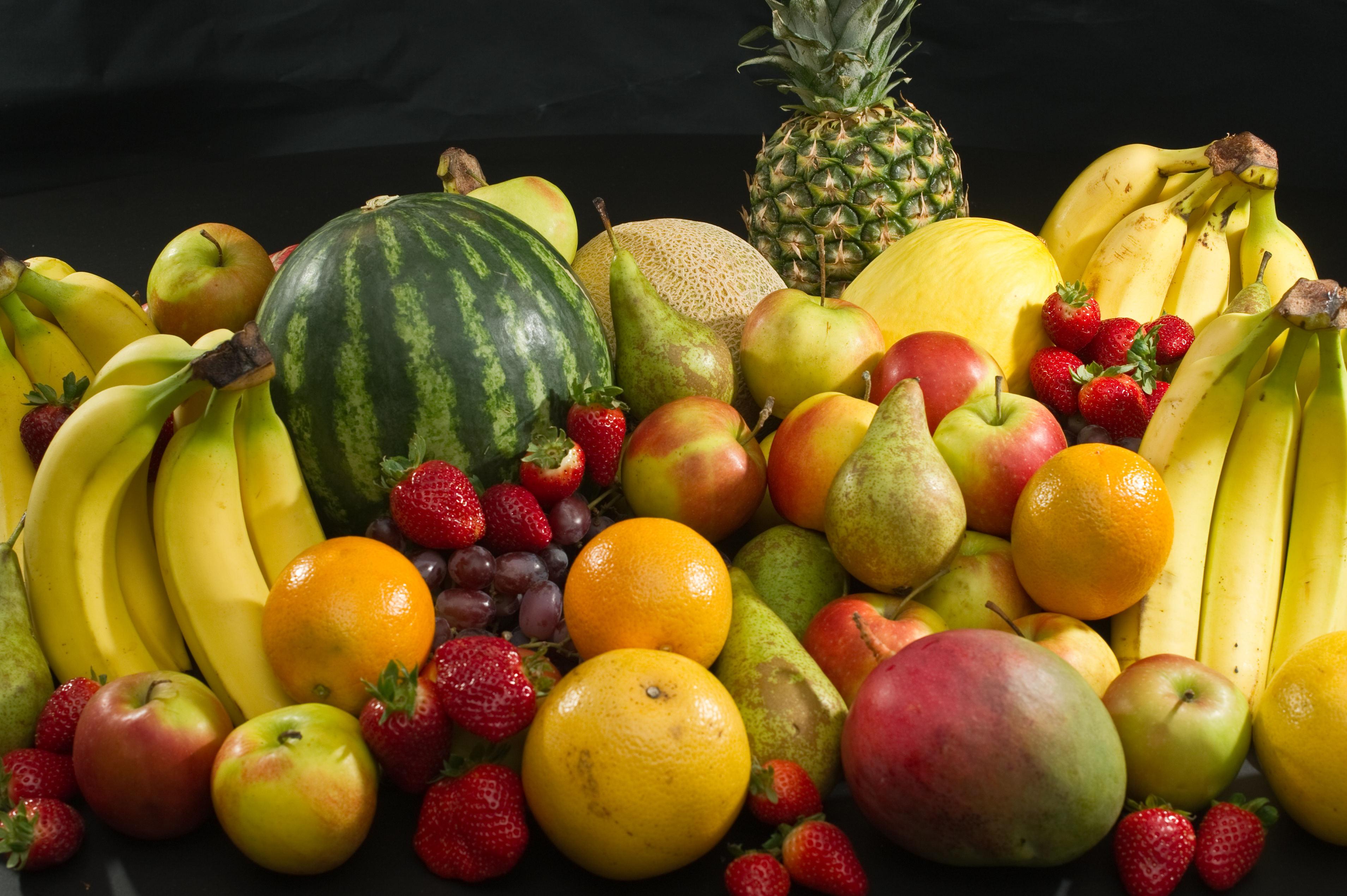
Fruit
    Presentation to SAMPLE MEALS
1 Apple
1 Orange
1/2 Grapefruit
3 Small Apricots
1 Banana
1/4 Melon
1-Cup Berries, Grapes
1 mango, small papaya

Dairy
    Presentation to SAMPLE MEALS
1 yogurt
1-Cup low fat cottage cheese
1-Cup non-fat milk (I use vanilla soy milk instead!)
1/2 Cup non or low fat cheese

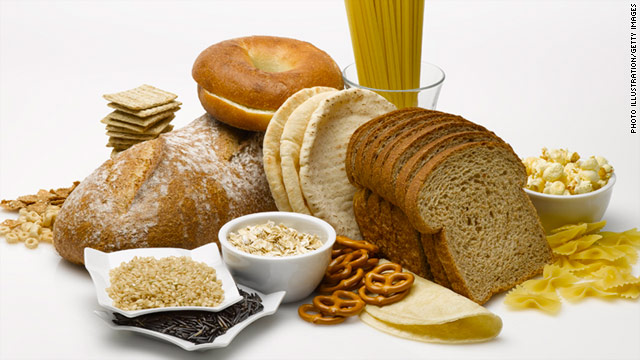
Wheat Products
    Presentation to SAMPLE MEALS
2 slices whole wheat bread
1 bagel
2-Cups pasta
Whole wheat tortillas

Snack Foods
    Presentation to SAMPLE MEALS
Rice cakes
Non-wheat cereals
Plain popcorn
Raw Vegetables
Nuts
Dried Fruit

8 Foods You Should Eat Every Day
It may be green and leafy, but spinach is no nutritional wallflower, and you know from reading Eat This, Not That!. This noted muscle builder is a rich source of plant-based omega-3s and folate, which help reduce the risk of heart disease, stroke, and osteoporosis. Bonus: Folate also increases blood flow to the nether regions, helping to protect you against age-related sexual issues. And spinach is packed with lutein, a compound that fights macular degeneration (and may help your sex drive). Aim for 1 cup fresh spinach or 1/2 cup cooked per day.

SUBSTITUTES: Kale, bok choy, romaine lettuce

FIT IT IN: Make your salads with spinach; add spinach to scrambled eggs; drape it over pizza; mix it with marinara sauce and then microwave for an instant dip.

PINCH HITTER: Sesame Stir-Braised Kale > Heat 4 cloves minced garlic, 1 Tbsp. minced fresh ginger, and 1 tsp. sesame oil in a skillet. Add 2 Tbsp. water and 1 bunch kale (stemmed and chopped). Cover and cook for 3 minutes. Drain. Add 1 tsp. soy sauce and 1 Tbsp. sesame seeds.

8 Foods You Should Eat Every Day
Various cultures claim yogurt as their own creation, but the 2,000-year-old food’s health benefits are not disputed: Fermentation spawns hundreds of millions of probiotic organisms that serve as reinforcements to the battalions of beneficial bacteria in your body. That helps boost your immune system and helps provide protection against cancer. Not all yogurts are probiotic, though, so make sure the label says “live and active cultures.” Aim for 1 cup of the calcium and protein-rich goop a day. And choose wisely: Use our Best and Worst Yogurts.

SUBSTITUTES: Kefir, soy yogurt

FIT IT IN: Yogurt topped with blueberries, walnuts, flaxseed, and honey is the ultimate breakfast — or dessert. Plain low-fat yogurt is also a perfect base for creamy salad dressings and dips.

HOME RUN: Power Smoothie > Blend 1 cup low-fat yogurt, 1 cup fresh or frozen blueberries, 1 cup carrot juice, and 1 cup fresh baby spinach for a nutrient-rich blast.
8 Foods You Should Eat Every Day
There are two things you need to know about tomatoes: Red are the best, because they’re packed with more of the antioxidant lycopene, and processed tomatoes are just as potent as fresh ones, because it’s easier for the body to absorb the lycopene. Studies show that a diet rich in lycopene can decrease your risk of bladder, lung, prostate, skin, and stomach cancers, as well as reduce the risk of coronary artery disease. Aim for 22 mg of lycopene a day, which is about eight red cherry tomatoes or a glass of tomato juice. For the best picks in the produce aisle, click here.
SUBSTITUTES: Red watermelon, pink grapefruit, Japanese persimmon, papaya, guava

FIT IT IN: Pile on the ketchup and Ragú; guzzle low-sodium V8 and gazpacho; double the amount of tomato paste called for in a recipe.

PINCH HITTER: Red and Pink Fruit Bowl > Chop 1 small watermelon, 2 grapefruits, and 1 papaya. Garnish with mint.
8 Foods You Should Eat Every Day
Carrots
Most red, yellow, or orange vegetables and fruits are spiked with carotenoids — fat-soluble compounds that are associated with a reduction in a wide range of cancers, as well as reduced risk and severity of inflammatory conditions such as asthma and rheumatoid arthritis — but none are as easy to prepare, or have as low a caloric density, as carrots. Aim for 1/2 cup a day.
SUBSTITUTES: Sweet potato, pumpkin, butternut squash, yellow bell pepper, mango
FIT IT IN: Raw baby carrots, sliced raw yellow pepper, butternut squash soup, baked sweet potato, pumpkin pie, mango sorbet, carrot cake
PINCH HITTER: Baked Sweet Potato Fries > Scrub and dry 2 sweet potatoes. Cut each into 8 slices, and then toss with olive oil and paprika. Spread on a baking sheet and bake for 15 minutes at 350°F. Turn and bake for 10 minutes more.
8 Foods You Should Eat Every Day
Host to more antioxidants than any other North American fruit, blueberries can help prevent cancer, diabetes, and age-related memory changes (hence the nickname “brain berry”). Studies show that blueberries, which are rich in fiber and vitamins A and C, also boost cardiovascular health. Aim for 1 cup fresh blueberries a day, or 1/2 cup frozen or dried. Try this amazing blueberry smoothie!

SUBSTITUTES: Acai berries, purple grapes, prunes, raisins, strawberries

FIT IT IN: Blueberries maintain most of their power in dried, frozen, or jam form.

PINCH HITTER: Acai, an Amazonian berry, has even more antioxidants than the blueberry. Try acai juice from Sambazon or add 2 Tbsp. of acai pulp to cereal, yogurt, or a smoothie.
8 Foods You Should Eat Every Day
All beans are good for your heart, but none can boost your brain power like black beans. That’s because they’re full of anthocyanins, antioxidant compounds that have been shown to improve brain function. A daily 1/2-cup serving provides 8 grams of protein and 7.5 grams of fiber. It’s also low in calories and free of saturated fat.

SUBSTITUTES: Peas, lentils, and pinto, kidney, fava, and lima beans

FIT IT IN: Wrap black beans in a breakfast burrito; use both black beans and kidney beans in your chili; puree 1 cup black beans with 1/4 cup olive oil and roasted garlic for a healthy dip; add favas, limas, or peas to pasta dishes.

HOME RUN: Black Bean and Tomato Salsa > Dice 4 tomatoes, 1 onion, 3 cloves garlic, 2 jalapeños, 1 yellow bell pepper, and 1 mango. Mix in a can of black beans and garnish with 1/2 cup chopped cilantro and the juice of 2 limes.
8 Foods You Should Eat Every Day
Richer in heart-healthy omega-3s than salmon, loaded with more anti-inflammatorypolyphenols than red wine, and packing half as much muscle-building protein as chicken, the walnut sounds like a Frankenfood, but it grows on trees. Other nuts combine only one or two of these features, not all three. A serving of walnuts — about 1 ounce, or 7 nuts — is good anytime, but especially as a post-workout recovery snack.
SUBSTITUTES: Almonds, peanuts, pistachios, macadamia nuts, hazelnuts
FIT IT IN: Sprinkle on top of salads; chop and add to pancake batter; spoon peanut butter into curries; grind and mix with olive oil to make a marinade for grilled fish or chicken.
HOME RUN: Mix 1 cup walnuts with 1/2 cup dried blueberries and 1/4 cup dark chocolate chunks.
8 Foods You Should Eat Every Day
The éminence grise of health food, oats garnered the FDA’s first seal of approval. They are packed with soluble fiber, which lowers the risk of heart disease. Yes, oats are loaded with carbs, but the release of those sugars is slowed by the fiber, and because oats also have 10 grams of protein per 1/2-cup serving, they deliver steady, muscle-friendly energy. Or have a sandwich, from our list of the Best and Worst Breakfast Sandwiches.

SUBSTITUTES: Quinoa, flaxseed, wild rice

FIT IT IN: Eat granolas and cereals that have a fiber content of at least 5 grams per serving. Sprinkle 2 Tbsp. ground flaxseed on cereals, salads, and yogurt.

PINCH HITTER: Quinoa Salad > Quinoa has twice the protein of most cereals, and fewer carbs. Boil 1 cup quinoa in 2 cups of water. Let cool. In a large bowl, toss it with 2 diced apples, 1 cup fresh blueberries, 1/2 cup chopped walnuts, and 1 cup plain fat-free yogurt.

So indulge! Or better yet, make some amazingly delicious, but somehow nutritious, blueberry pancakes, from our brand new e-book “Cook This, Not That: Greatest Weight Loss Recipes,” ready now for download, right to your phone or desktop! It’s nostalgia without the guilt.


Nutrition for abs that gets results!

Losing abdominal fat is the biggest difficulty when trying to get fit and have visible abs.

With summer fast approaching, many of us began to think about getting the six pack as desired.

If you may have tried to achieve this in the past, but by cons, you have not had much success, it's normal. Have abdominal requires to follow a specific method.

Get abs that see clearly requires more than hard work and effort. It takes a good strategy for this work.

If your approach is flawed in some way, it will slow you down and keep you from achieving a success. Therefore, your job this year is to go on a proper strategy first and then start to train. When you do these two elements combined, this year will be your abs! Here's what you need to do.

Diet

There is no doubt about it, have visible abs quickly is equivalent to eating well. If you do not pay attention to the foods you put in your mouth with every meal, success will elude you. If you were to gather a group of people in a room who managed to have abs and you ask them their number one tip for quick results, 90% of them will advise a healthy diet. This is really important.

calories

Find your calorie intake is essential and this is what to do first. Most people who start on a fat loss program will start to lose body fat with a contribution of about 25 calories per kilogram of body weight (provided that you do workouts 3-5 days week). Do not be surprised if as and as you progress you need to lower your intake to 18 to 20 calories per kilogram per day. Example: if you weigh 80 kilos, one should consume about 1,600 calories a day (20 x 80 kilos calories = 1,600 calories).

protein

The next important element of a program for abs is protein intake. When you try to have abs, protein intake should be high to increase their muscle mass. This will stimulate the metabolic rate, prevent muscle loss and prevent them from feeling hungry during the day.

We must not underestimate this element when you are on a diet with less than 20 calories per kilogram of body weight without a lot of protein, you will not get there, you will be hungry all day.

Carbohydrates

If you do not consume enough carbohydrates, the energy levels will drop, cravings will become extremely intense and resting metabolic rate will drop.

We must consume about 25-50 grams both before and after workouts and never omit vegetables from your diet.

Lipids

Finally, do not forget the lipids. When trying to get abs, try to limit fat intake. We need to reduce the lipids to a few grams per meal that come from healthy sources such as flaxseed, flaxseed oil, olive oil, nuts, fatty fish or fish oil.

other factors

Finally, do not forget the other factors that will influence the results. This includes elements such as sodium (which can cause a bloated appearance), the amount of sleep you get each night (which is important to control carbohydrate cravings), and drinking enough water each day .

You must remember that to have visible abs, you're going to take a different life style approach. What you do in the gym is certainly important, but if you're not on your game, the rest of the time you will have trouble.

Conclusion

By putting order into your diet, you will make a huge leap in the right direction. Remember that if you are from the map, do not beat yourself up too and continue to make efforts, you will surely succeed with enough motivation.

This was a quick overview of the dietary rules for losing body fat surplus and increase muscle mass.
Who on this planet does not know Arnold Schwarzenegger? Arnold the bodybuilder Arnold the actor or the Governor Arnold! Regarding the bodybuilding world, it opened the way for new practices and new thoughts on both the training plan as of food. Here, let's look at his diet, a factor in his sporting success and his many titles.

Example of Arnold Schwarzenegger Menu

An example of Arnold diet :

Lunch:

- 3 scrambled eggs

-1 cup oatmeal

-1 cup orange juice

-1 cup milk

collation

oilseed handle

1 fruit (apple or banana)

Lunch

2 slices of wholemeal bread

1 chicken breast

1 apple

1 cup milk

collation

3 slices of cheese

1 banana

Post-Workout Drink

25 g of milk protein

25 g of egg protein

300 ml of milk

dinner

200g of grilled beef

1 large baked potato

1 large salad with raw vegetables

1 tablespoon vinaigrette

1 serving of vegetable

total:

2750 Calories

256 g Protein

271 g Carbohydrates

90 g Fat


Broadly, its diet is similar to the current recommendations. But at the time we are in the 70s.

With this diet, he entered the world of bodybuilding, the establishment of 5/6 meals a day, taking galore proteins as well as the famous post shaker workout.

It was therefore a follower of fractionated meals including high value protein at all throughout the day. He recommended to eat 30 to 50 g protein at each meal every 3 hours. He had a preference for unprocessed products and protein powder that allowed him to reach his daily quota.

The virtues of bodybuilding protein are more to prove. They are useful for the functioning of our body in general. Muscles are made from amino acids from food proteins, they must be part of our diet. The small glass of milk Arnold is not trivial since we must focus on protein from animal sources (milk, meat, egg) less deficient than vegetable protein. A high rate of protein reduces the destruction of muscle tissue. They have an anti-catabolic power by acting against the destruction of the muscle, and thus help maintain muscle mass.

So when building your diet plan, be efficient and do not try at all costs to think outside the box.

Split your meals by including protein food, drink 1.5 to 2 liters of water daily, flee processed foods by the food industry and do not forget your dose of good fats and vegetable ;-)

Snacks before and after training


What to eat before and after exercise


What you eat before and after training is essential to help you achieve your goals. You've probably heard or read somewhere: abs are not the result of a good workout, but also a good command of the kitchen. You can give all the weight, if you are not eating properly, your goals will be in vain. So choose your foods based on the type of workout you do (are promoting foods rich in protein to support a work force or combine your protein with low GI carbohydrates to give you the strength to make an intense workout ). Be sure to consume at the right time to make sure your body can work at its maximum level. Carbohydrates are metabolized quickly (about 30 minutes), while the proteins can take up to two hours to be completely metabolized.

Five protein snacks :

1-Mixed nuts: ideal as handy to make also vegetable proteins and essential fatty acids. Do not take more than a handful of nuts. They are also rich in fiber, zinc, magnesium, vitamin E and B6.

2-Eggs: simple and quick to prepare, they have a very high protein concentration. Including eggs contain eight essential amino acids necessary for effective muscle recovery
 .
3-Protein Bars: this seems obvious, but all the protein bars are not the same. Some of them you will find in the shelves are packed with as much sugar as you can find in a milk chocolate bar. Choose a protein bar that uses the most natural ingredients possible and check its sugar content.

4-Lawyers: avocado proteins are easily absorbed by the body. They are also full of monounsaturated fats, folic acid and vitamin C, E and K.

5Chicken: it contains more protein and less fat than red meat. Choose the most natural form to maximize the content of vitamins and minerals (avoid fast food nuggets for example), and choose the leanest cuts.

Five snacks rich in carbohydrates

1-Bananas: rich in potassium, extremely convenient, cheap and full of carbohydrates to provide energy; Bananas are one of the favorite snacks fanatics cardiovascular workouts.

2-Oats: delicious and easy to digest before or after a workout. The soluble fiber in oatmeal can also help reduce cholesterol. Add some berries to add some antioxidants and mix to a soft white cheese for protein.

3-Sweet potatoes: They are a great source of carbohydrates and are also full of vitamins and minerals. Cook steamed and eat them in salads or try to add them to your smoothies.

4-Green vegetables: think broccoli, green beans, kale, lettuce, etc. Eating fibrous carbohydrates helps you regulate your appetite, slow the release of other nutrients and increase protein absorption. They also cleanse your digestive system and increase your metabolism because your body has to work harder during digestion.

5-Quinoa: This is a super food rich in complex carbohydrates and low GI. It has an advantage over rice or potatoes because of its high protein content. Quinoa therefore provide you energy to support your training, but also amino acids that your body needs to repair and recover.

Thank you !


GAIN MUCLE AND LOSE FAT !

We often hear, gain a lot of muscle and lose fat at the same time, it is not possible. Yet over the years spent on bodybuilding forum, I have come across many people who have managed to change their physical appearance gaining muscle while losing their fat.

So where is the truth? Can we gain muscle when one is on a diet?

The answer is yes ! One can construct a significant amount of muscle being in calorie deficit. This is certainly what is suggested by a study (1) and perplexing figures: 7.4 kg and lost more than 4.3 kg of muscle gained fat in 14 weeks! A more radical change that!

This study, conducted by the Academy of the United States Sports, was interested in the effects on body composition of a training combining strength exercises and endurance in a group of overweight men (fat levels 27%).

The men were divided into 2 groups and had to train three times a week for 14 weeks:

- A "100% endurance" group was cycling and walking (30 minutes for each activity, a total of 60 minutes) at 60-70% of maximum heart rate.

- The other group "fitness-endurance" was subjected to endurance and resistance exercise (8 years, 4 sets per exercise, 8-12 repetitions per series, 60 seconds rest between sets) in the same training .

In terms of exercises, participants were of the bench, high-pulley prints for the back, the developed military biceps curl at the bar, triceps extensions, the leg press, the leg curl for the rear thigh and elevations for calves.

The results were more than impressive! In group "fitness-endurance", loss of fat was obtained 7.41 kg while recording a gain of 4.33 kg of muscle.......


GAIN MUCLE AND LOSE FAT !


So can we expect such a result? I would say no, everyone can not save such rapid progress, and for several reasons.

First, the men involved in the study were all beginners, and we know that beginners are quickly gaining muscle when they start weight training. After this beginning stage, progress is slower and muscle gains more and more difficult. In addition, these gentlemen were overweight, obese limits, so with a lot of weight to lose. The more you are bigger, you lose fat quickly, as long as you put yourself to eat less and exercise. A person with a physical medium and fat levels lower starting, will lose less and slower.

Hope for fat loss as important (7 kilos) while earning a good amount of muscle (more than 4 kilograms) in just 14 weeks, this is not a realistic goal, especially for practicing with a "clean" physical , one to 12% fat ...

Gain muscle and lose fat at the same time being under caloric restriction is possible, but it works especially for overweight people who have never lifted weights, or those who take a sporting activity after a break. Once you get past the beginner stage, it becomes more difficult, and it often manipulate the calories to get results (weight gain, and dry).

Finally, for those in the opposite case, which have difficulty gaining weight and have no fat reserves, passage by a high calorie overeating is almost indispensable to hope to get results.


    “Should I have a protein shake after I workout, or before? ”


    “What about rice? Is rice allowed?”


    “Is hummus okay to eat?”


    “I know fish is good for you, but I hate seafood. Should I eat it anyway?”


    “Is it okay to eat cheese? What about bread and pasta?”

Do any of those questions sound familiar? Maybe you’ve asked one (or all) of them before.

So, what’s the best answer?

Maybe. Sometimes. It depends.

It might not be the answer you’re looking for, but it’s the truth nonetheless. Authenticity being my religion, this is the most authentic way I can answer these types of questions.

While at first it might not seem very illuminating, this response is unbelievably helpful. You see, I’m not in the business of telling you exactly what you can and can’t eat. I’m not in the business of writing meal plans, counting calories, and putting foods on the “bad” list.

I am in the business of educating you when it comes to food, empowering you to make you own choices, and teaching you sustainable eating habits for life.

Everyone is different, from food preferences to food sensitivities; there isn’t a one-size-fits-all approach when it comes to nutrition. There simply is no such thing as the “best diet of all time” —except, that is, the one that works for you.

So, rather than give you a generic list of foods to avoid (Ha! Tricked you!), I want to help you figure out what that means for you. Alas, this is going to require some thinking (sorry), experimenting, and introspecting on your part.

Like I said, I’m not going to tell you exactly what to eat and when to eat it. But I do hope that after reading this list of the five foods you should (almost) never eat, you’ll have a better idea of how to navigate your nutritional waters, and how to truly enrich your life through food.

1. Food that you don’t enjoy.

Food is sustenance, yes, but it’s also love. It’s pleasure, and enjoyment, and culinary rapture. Bottom line, whenever possible, it should taste damn good.

I can’t tell you how many times someone has told me that they hate fish (or chicken breast, or broccoli) but they just keep eating it anyway because they think it’s good for them.

This. Is. yorga.

Listen. If it doesn’t taste amazing, it ultimately isn’t good for you. Sure, it might have nutritional benefits, but so do a million other foods that you might actually enjoy. “Health food” isn’t just steamed asparagus and bland, dry chicken breast. You absolutely can play to your taste buds while still keeping your health, physique, and performance top of mind.

I’m not a big proponent of “food rules” but if there’s one you should follow, it’s this: Eat food that rocks your world.

2. Food that makes your tummy feel yucky.

Or your head. Or your joints. Or your skin. You get the idea.


For example, any time I eat cheese or ice cream I end up paying for it for days afterward. I get bloated, lethargic, and generally uncomfortable.

Through time, awareness, and patience I’ve learned to detect foods that, although I want to eat them, leave me feeling like garbage. I choose to avoid those foods 99% of the time because I don’t want to feel yucky–it’s as simple as that.

Whatever it is you’re hankering for, there’s almost always an alternative food that will satisfy your desire without giving you the tummy yuckies. Because at the end of the day, is it really worth it if it makes you feel horrible?

I do have one exception to this. That super special food that might leave you feeling yucky but just so happens to be your absolute favorite thing in the world—go for it. For me that magical food is New York-style pizza.

I love pizza just about as much as I love my husband and child, so I will have a slice (or two) about 5-10 times a year (usually only when I’m in NYC), and I’ve made my peace with the predictable outcome. I don’t feel guilty about it, and I’m prepared to deal with the consequences. When it comes to NYC pizza, I’ve decided that the benefits outweigh the costs.

When considering this type of occasional “special food” consumption, just make sure to keep it to a minimum (if at all) and go into it knowing that you won’t feel so hot later on.

3. Food that makes you feel guilty.

You know exactly what I’m talking about.

You spend all weekend eating brownies, ice cream, chips, fried chicken, pancakes, candy, tacos… and you wake up Monday morning with a massive food hangover and a guilty feeling that you just can’t seem to shake.

Then, of course, you punish yourself heavily for the next three days by eating an impossibly strict diet, exercising more, and promising never to do it again–only to repeat the cycle the following weekend.

Guilt over food effing sucks. That’s all there is to it.

It serves no purpose other than to shame you into eating more healthfully for a short period of time. It’s not a sustainable approach, and it will only lead to deeper self-esteem and body image issues.

If you have a weekend like the one I just described (and many of us have), learn from it and let it go. Resolve not to eat foods that make you feel so guilty, because after all, food should be amazing before and after. If you wind up feeling like crap about what you ate, was it really worth it?

4. Food that you can't just stop eating

I can’t tell you how many people I know who have relinquished their right to stock trail mix in their homes (myself included). I mean, seriously, can anybody just eat one serving of trail mix?

When we think about foods that we just can’t stop eating, it’s usually “addictive” foods such as chips, cookies, donuts, fries, and M&Ms. These are all foods that can actually alter your brain’s responses and condition you to crave more and more.

And it doesn’t just apply to junk food; we can have this same response to healthier foods as well.

Find yourself spooning almond butter out of the jar at an alarming rate? That isn’t the food for you right now. One handful of trail mix or dried cranberries turns into the entire bag? Get rid of that stuff right now.

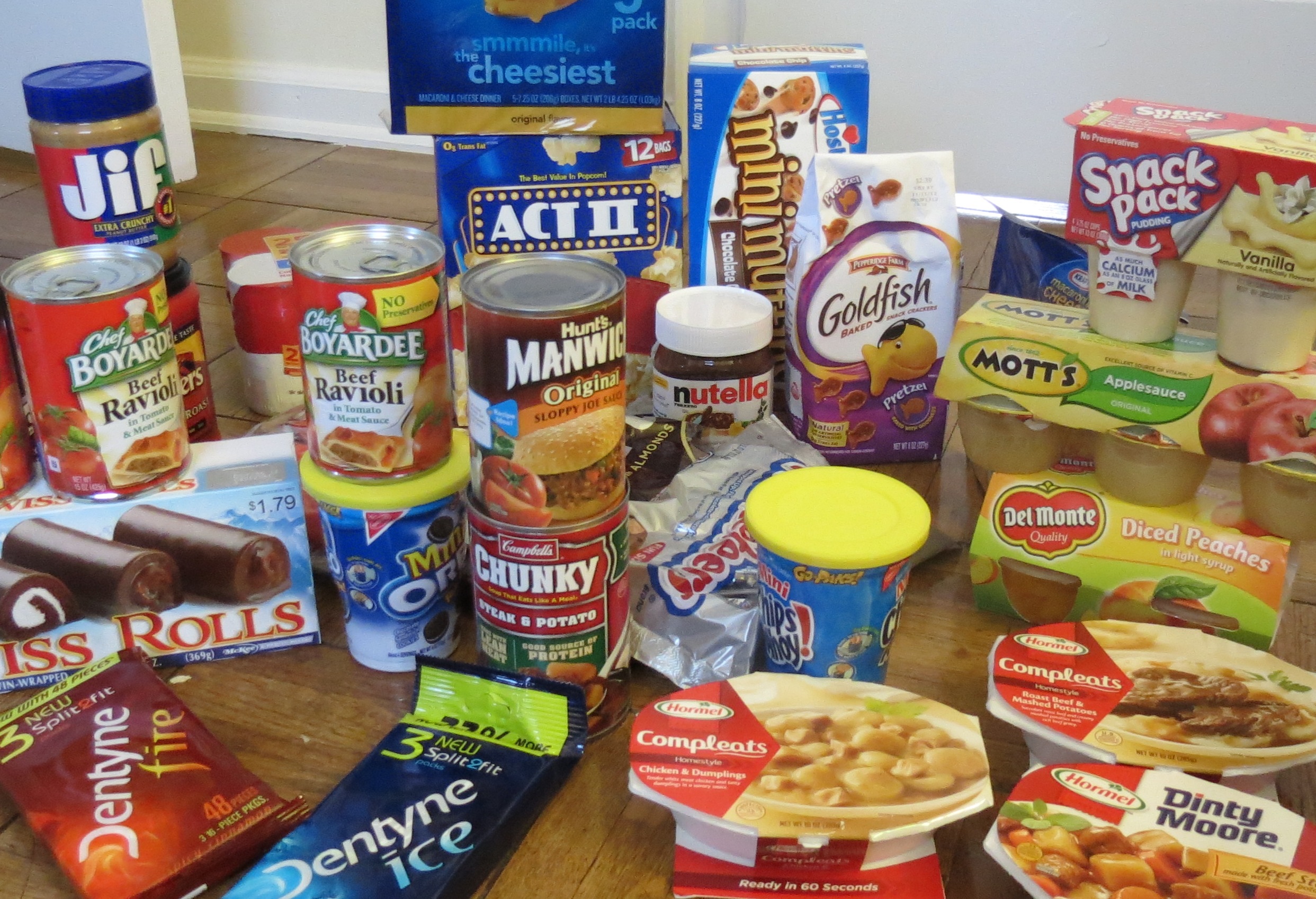
5. Food that isn’t really food.

I get really, really aggressively pumped up about food politics. Watching food documentaries and reading stories about the food industry often brings me to tears—although to be fair it’s not very difficult to make me cry.

Still. The food industry makes me crazy.

High-fructose corn syrup isn’t food. Modified corn starch isn’t food. Artificial flavors and colors aren’t food. Proplyene glycol? Again, not food.

Yet big food industries put these ingredients and so many more into what they label as “food”—from bread, to yogurt, to canned soup. These ingredients are not there for your benefit.

They serve to save the company money, support another company, create a flavor experience that makes it hard for the consumer want to eat more than normal, are cheaper and easier than using real ingredients, or unnaturally prolong the shelf life of the food product.

Check your labels, be vigilant, and absolutely refuse to consume food that isn’t really food. I promise you there is always an alternative—it might take a bit more time and commitment, but it exists and you’re worth it.

Of course, we can’t always avoid this issue, and for that matter we can’t realistically cut out these five food categories completely. Rather than stress out over it, here’s the key phrase I want you to absorb:

As often as possible.

As often as possible I want you to eat real food. As often as possible, I want you to think about how food makes you feel—both physically and emotionally—before you eat it. I want you to strive to eat food that comes from the earth, is sustainably raised, and isn’t part of a political initiative.

I want you to enjoy everything you eat, to allow it to nourish you and fuel you. I want you to appreciate food, to be aware of where it came from, and to discuss these things with your kids.

Eat food you love and that loves you right back. That’s what I want for you.